

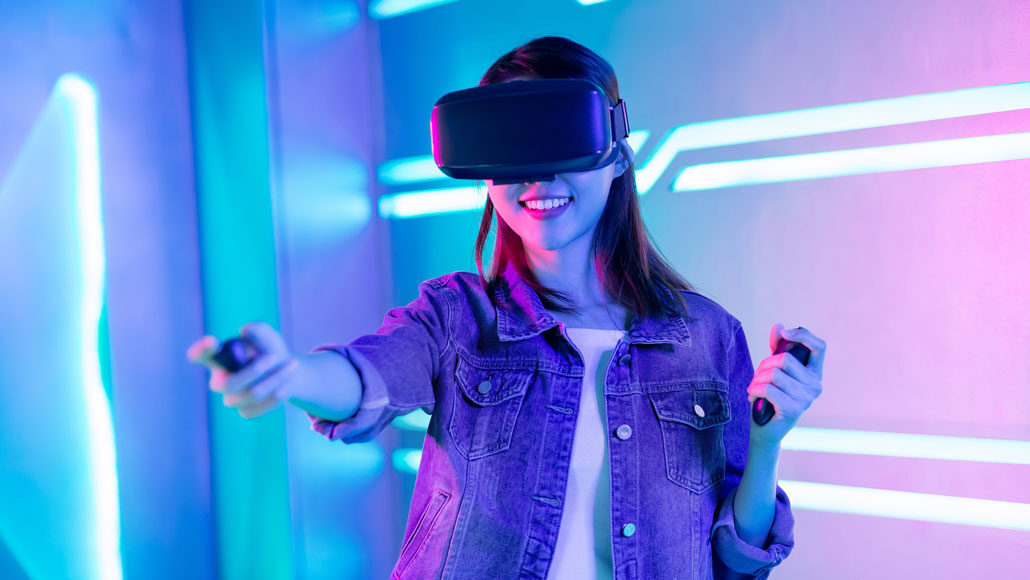
Virtual Reality (VR) is on the verge of a revolutionary adventure, it has captivated people’s attention and pushed boundaries since its invention.
Looking ahead, it’s clear that the VR industry is going to see significant transformation as technological breakthroughs have the potential to completely transform our online experiences.
In the next decade, the VR headset world will experience a lot of changes which will make its usage more versatile and widespread. These changes include but are not limited to:
Hardware Development
The development of VR has been largely fueled by improvements in hardware technology. Virtual Reality headsets have advanced significantly over the last ten years, becoming lighter, more comfortable, and able to produce ever more immersive experiences. We should anticipate more hardware innovation over the next ten years, including advancements in haptic feedback, field of view, and display resolution. These developments will improve the realism of VR experiences while also opening them up to a wider audience.
Growing Uses
Virtual Reality (VR) has the potential to be used for much more than just immersive gaming, even though the entertainment and gaming sectors were the first to adopt it. Applications for Virtual Reality (VR) should become more widespread in the next ten years across a variety of industries, such as retail, healthcare, education, and architecture. VR has the ability to completely change the way we work, study, and interact with the world around us. Applications include medical simulations, virtual shopping trips, and architectural visualization.
Enterprise Adoption
As virtual reality technology advances, the enterprise market is likewise going to adopt it at a faster rate. VR is being used by businesses for remote collaboration, staff training, virtual meetings, and product design. We anticipate that this trend will pick up speed over the next ten years, with virtual reality (VR) turning into a vital tool for companies trying to boost output, save expenses, and simplify processes. VR can completely change how we work, from immersive training simulations to virtual boardrooms.
Social VR
The rise of Social VR platforms, which let people communicate and socialize in virtual settings, is one of the most fascinating trends in virtual reality. Through these platforms, individuals from all over the world can connect in shared virtual spaces for socializing, participating in virtual events, or working together on projects. We may anticipate Social VR becoming much more common in the next ten years, erasing boundaries between the real and virtual worlds and changing the way we interact with one another.
Conclusion
In a nutshell, the prospects for Virtual Reality seem extremely bright when we look ahead to the next ten years. VR has the potential to completely change the way we work, live, and interact with the world around us. Virtual Reality (VR) has the power to completely transform entire sectors and transform how we interact with the digital environment. With virtual reality, there are countless options to explore as we set off on this thrilling adventure into the future.

Leave a Reply